Why the Same Sauna Session Feels Completely Different Morning vs. Evening
Quick Answer: Sauna sessions feel different depending on time of day mainly because core body temperature, cortisol levels, and hydration status naturally shift across the day — morning sessions layer heat onto a body already rising in temperature and alertness, while evening sessions add heat stress on top of a body already winding down, which can amplify the relaxing, sedative effect at night.
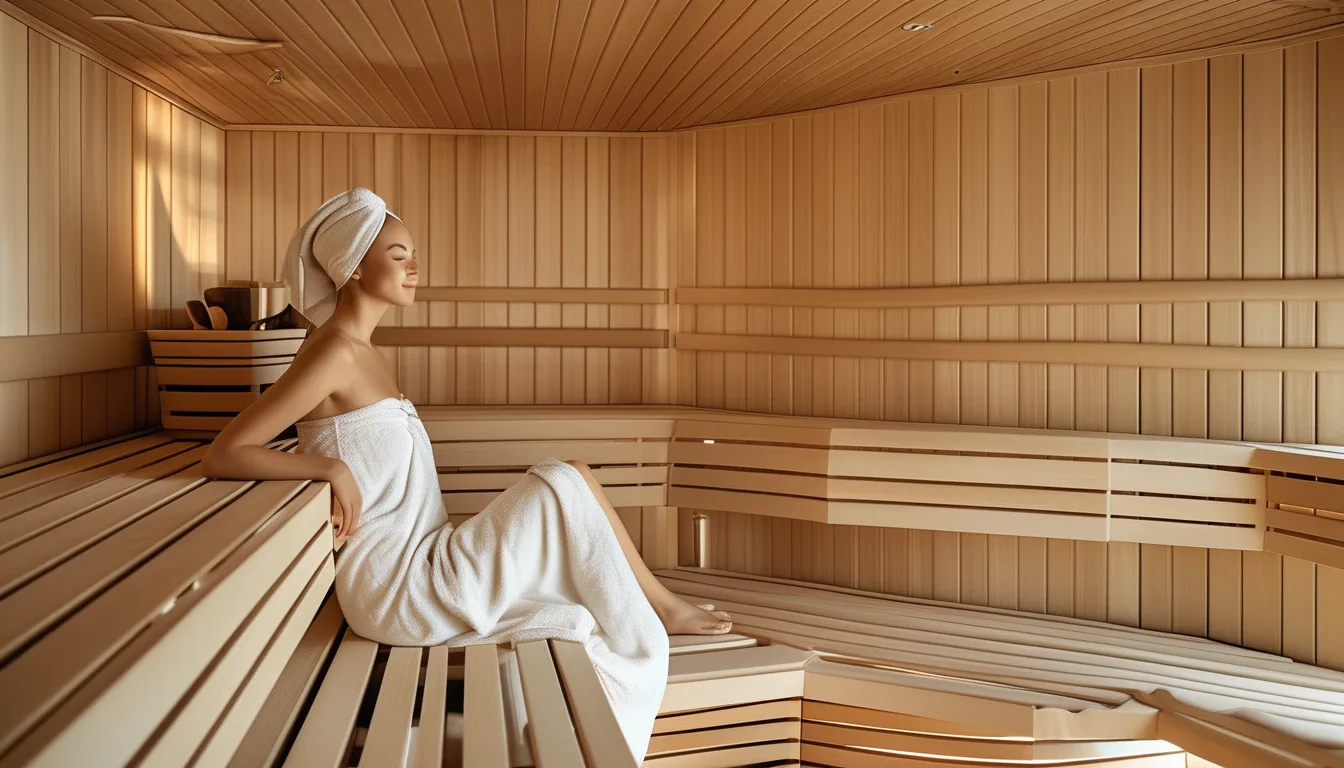
A 20-minute sauna at 7am leaves you alert and loose. The identical 20 minutes at 9pm leaves you nearly ready to fall asleep on the bench. Nothing about the sauna changed — the body meeting it did.
Why does morning heat exposure tend to feel energizing rather than draining?
Core body temperature and cortisol (an alertness-related hormone) both naturally rise through the morning as part of the circadian rhythm, and a sauna session during this window adds heat stress on top of a body that’s already trending toward higher alertness and temperature, which tends to produce a more energizing, invigorating sensation once the session ends and the body cools back down.
Why does the same session feel more sedative in the evening?
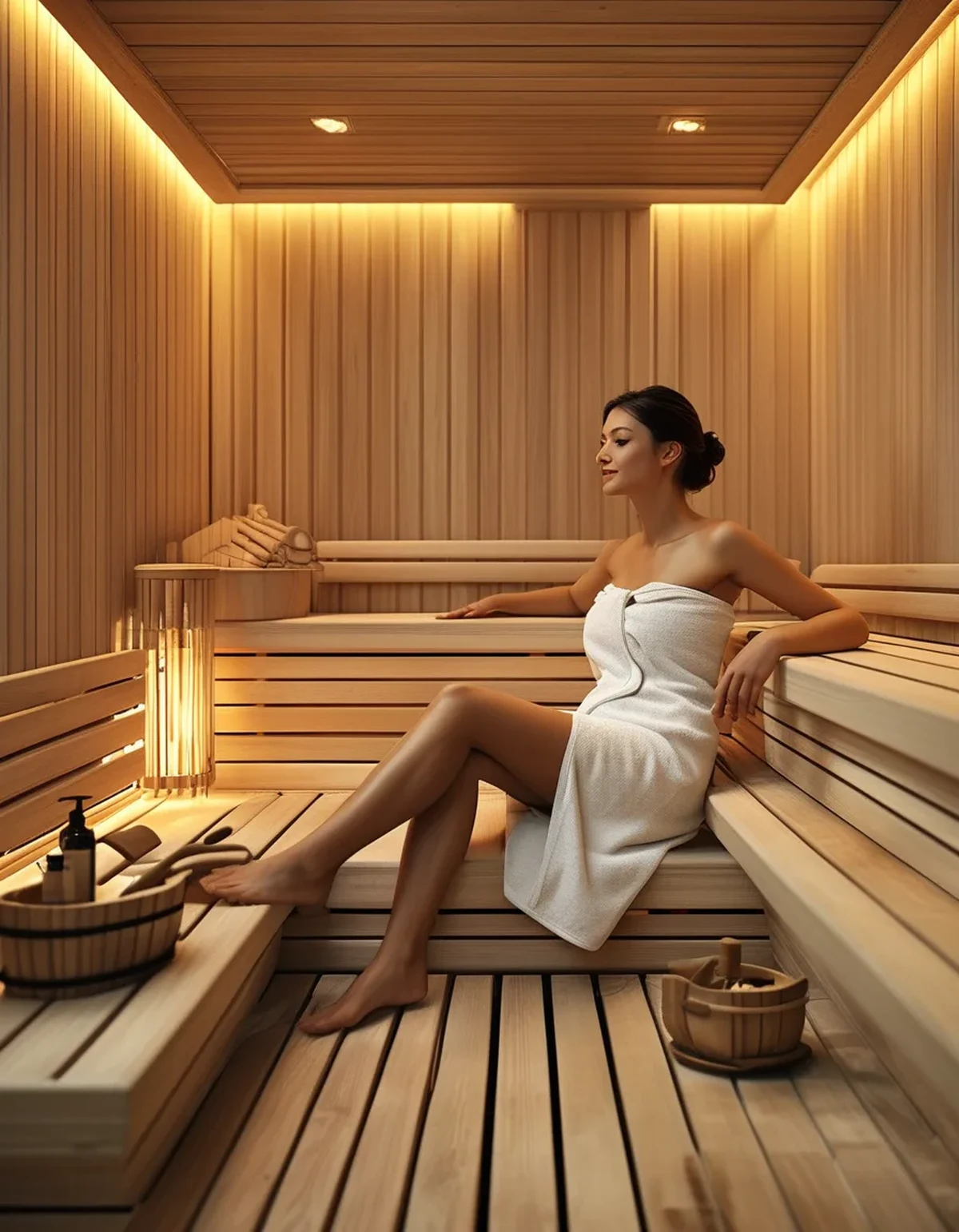
In the evening, core body temperature naturally begins to drop as part of the process that prepares the body for sleep, and a hot sauna session temporarily raises temperature before that post-session cool-down — this artificial heat-then-cool pattern actually mimics and can amplify the natural pre-sleep temperature drop, which is part of why evening sauna use is often associated with feeling sleepy and relaxed rather than energized.
What Nobody Tells You About Sauna Timing and Hydration
Most sauna guides focus on temperature and duration as the main variables, but nobody tells you that hydration status typically differs meaningfully between morning and evening — many people are more dehydrated in the morning after a full night without fluids, meaning a morning session may produce a more pronounced dehydration effect unless fluids are replenished beforehand, independent of how energizing or relaxing the session feels.

Does using a sauna before bed actually help sleep, or does it just feel relaxing in the moment?
There’s reasonable evidence that the post-sauna temperature drop can support sleep onset, similar to the effect of a warm bath before bed, since the body cooling down after heat exposure mimics part of the natural pre-sleep temperature decline — timing the session to finish roughly an hour or two before bed, allowing full cool-down, tends to support this effect better than getting into bed immediately while still overheated.
Is one time of day objectively better for sauna use, or does it depend on the goal?
It depends on the goal — morning sessions tend to suit people wanting an energizing, alert start to the day, while evening sessions tend to suit people using sauna partly as a wind-down or sleep aid, meaning the ‘right’ time is really a question of what effect is actually wanted rather than one timing being universally superior.
FAQ: Sauna Timing, Answered
Should hydration be handled differently before a morning versus evening session?
Morning sessions generally warrant extra attention to rehydrating first, given the overnight fluid deficit, while evening sessions benefit from steady hydration through the day leading up to it rather than a single large amount right before.
Is it safe to use a sauna right before going to sleep?
Finishing a session with enough time to fully cool down — roughly an hour or more before bed — tends to work better than getting into bed immediately while body temperature is still elevated, since the cooling process itself is part of what supports sleep onset.
Does the ideal session length change based on time of day?
Not dramatically, but some people find shorter evening sessions (10-15 minutes) sufficient for the relaxing effect, while a slightly longer morning session may feel appropriate for the more invigorating goal, though this varies by individual heat tolerance.
TL;DR:
- Morning sauna sessions layer heat onto a body already trending toward higher alertness and temperature
- Evening sessions add heat before the body’s natural pre-sleep temperature drop, amplifying a sedative effect
- Hydration needs often differ between a dehydrated morning body and a steadily hydrated evening one
- The ‘better’ time of day depends on whether the goal is energizing or winding down, not a fixed rule
A sauna feeling different at 7am versus 9pm isn’t inconsistency — it’s the same heat meeting two different versions of the body’s daily rhythm.
Keep Reading
This article is for general informational purposes only and is not medical advice. Always consult a qualified health professional for guidance specific to you.