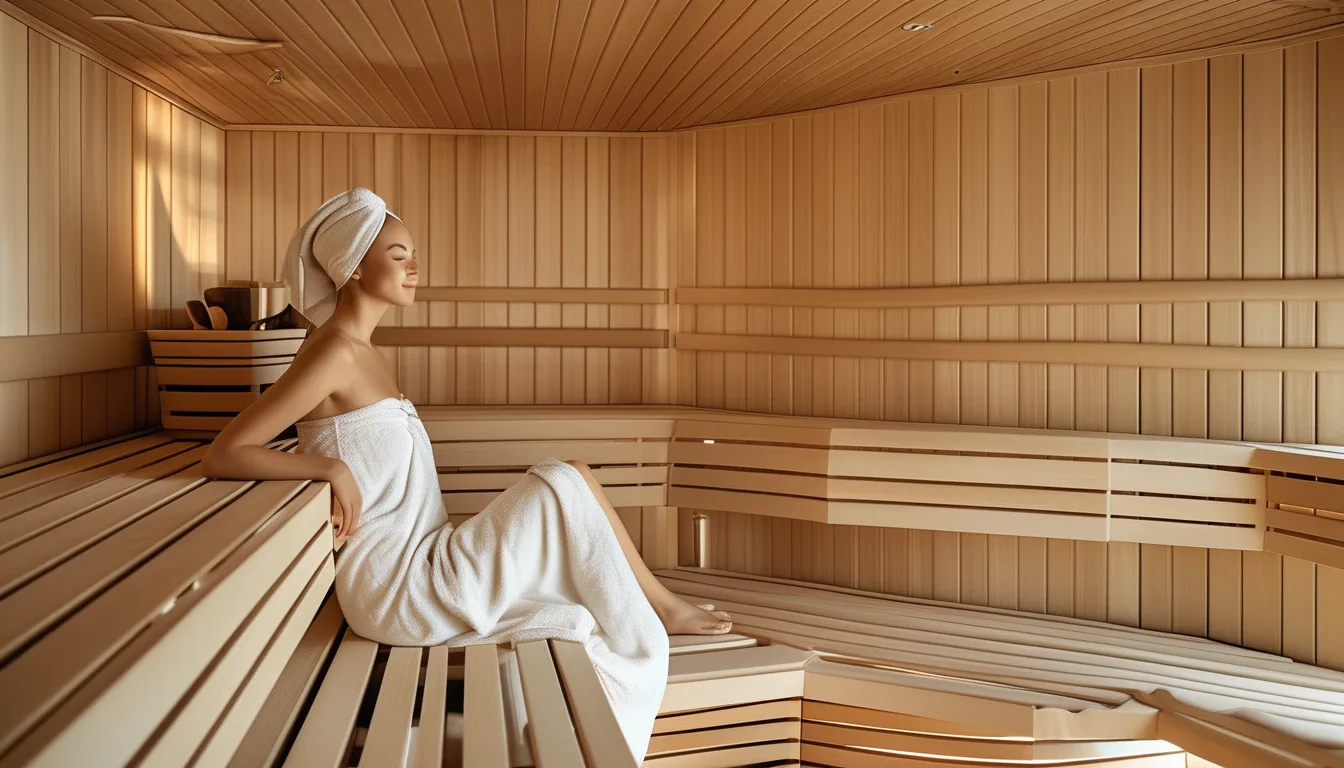
Why Water on the Rocks Changes Your Session More Than the Thermostat
Quick Answer: Your body cools itself by evaporating sweat. Adding water to the rocks raises humidity, which slows evaporation, so the same air temperature suddenly feels much hotter and your core temperature rises faster. A 170°F sauna with steam can be more demanding than a 195°F dry one. If your tolerance seems to swing wildly between sessions, humidity is the variable you have not been tracking.
People obsess over the number on the sauna thermometer. It is the least informative number in the room.
What determines how hard a session is: how fast you can lose heat. Temperature sets how much heat is coming in, but humidity sets how much you can get rid of, and that is the side of the equation that actually varies from session to session.

What happens when you pour water on the stones?
Two things at once, and they work in the same direction.
The obvious one: humidity rises. Sweat evaporating off your skin is what cools you. When the surrounding air is already carrying a lot of water vapor, evaporation slows dramatically. Your sweat runs off you instead of evaporating, which feels like sweating more while cooling less.
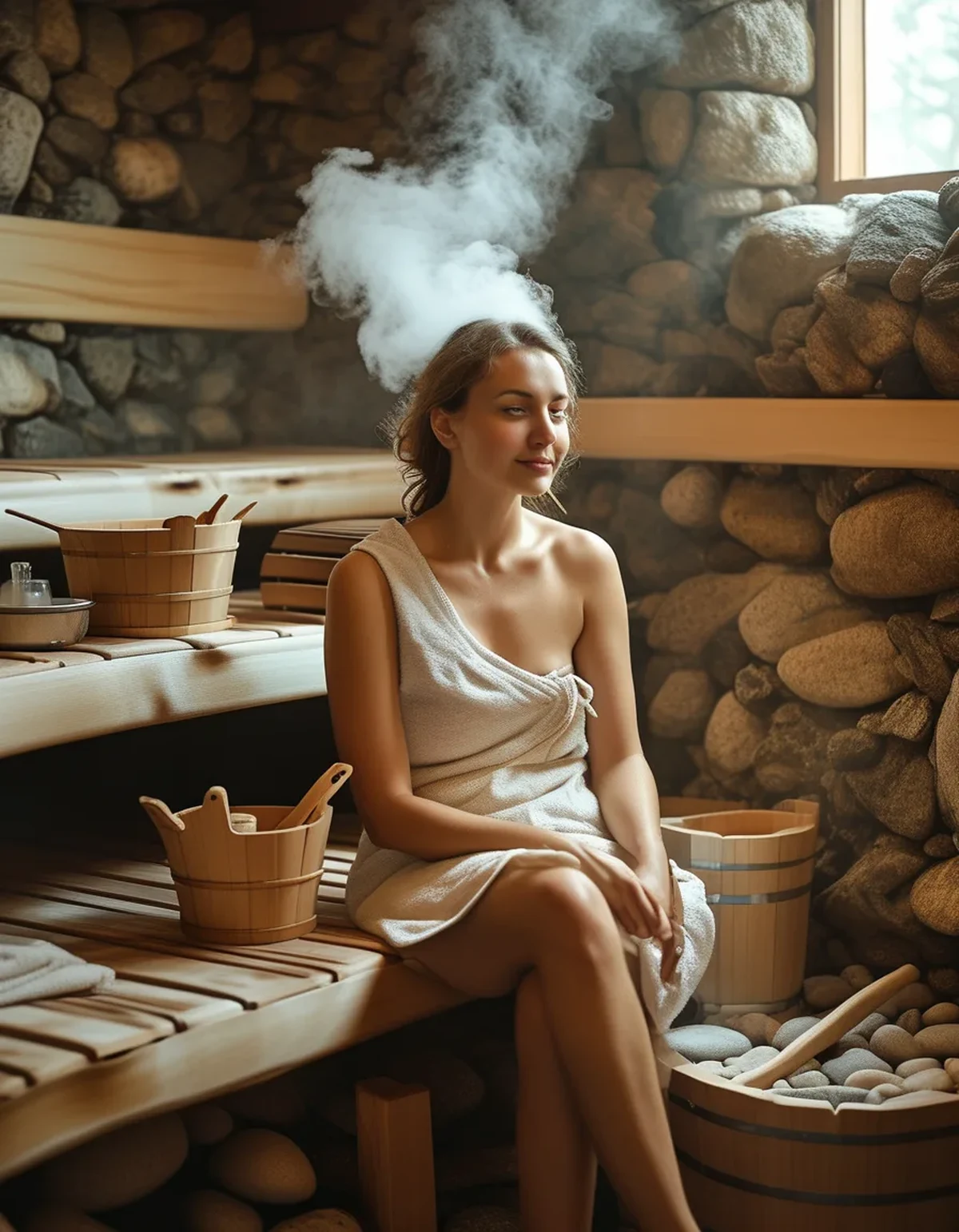
The less obvious one: a burst of hot vapor moves across your skin. The steam rising off the stones is briefly much hotter than the ambient air and it moves — and moving hot air transfers heat to your skin far faster than still air. This is why the first few seconds after a ladle feels like a physical wave rather than a gradual change.
The combination is why löyly, the Finnish term for the steam from water on hot stones, is treated as the point of the sauna rather than a modification of it. A sauna without it is a different experience at the same temperature.
The practical consequence: the thermometer on the wall does not tell you what your session will be like. Whether someone poured water in the last three minutes tells you more.
Why your tolerance seems to swing session to session
If you have ever managed 15 comfortable minutes on Monday and struggled at 8 on Thursday, humidity is the most likely explanation before you reach for sleep, hydration, or stress.
In a public sauna you do not control it. Someone else ladles water, and your session difficulty changes without your input. In busy saunas, humidity also rises from the sweat and breath of everyone in the room, which is why a full sauna at the same thermostat setting is measurably harder than an empty one.
Bench position interacts with this. Steam rises, so the upper bench experiences both higher temperature and higher humidity. Moving down one bench during a heavy löyly is a legitimate adjustment, not a retreat.
Traditional versus infrared is the same story at the extreme end. Infrared cabins typically run 120 to 150°F with very low humidity, which is why people tolerate 30 minutes there and 12 minutes in a traditional sauna. The dry, cooler environment lets evaporation work.
If you want sessions you can actually compare week to week, note humidity conditions alongside duration: dry, light steam, or heavy. Three words. It explains most of the variance people otherwise find mysterious.
Myth vs Fact: sauna humidity
Myth: More steam means a healthier session. Fact: There is no strong evidence that humidity level changes the cardiovascular response beyond its effect on how hard the session is. What it changes is intensity and comfort. Choose based on tolerance and preference.
Myth: If you are sweating buckets, you are getting more out of it. Fact: Visible sweat running off you in high humidity often means less effective cooling, not more effective detoxification. Sweat volume is a poor measure of anything useful.
Myth: A dry sauna is easier, so it is for beginners. Fact: Dry saunas are typically hotter, and very high dry heat can be uncomfortable on the airways and eyes. Many beginners find a moderate temperature with light steam more tolerable than a very hot dry room.
Myth: You should pour water to make it hotter. Fact: Pouring water usually lowers the air temperature slightly while raising perceived heat substantially. The thermometer may go down while the experience intensifies — one of the clearest demonstrations that the number is not the point.
How to use humidity deliberately
Treat the ladle as an intensity dial rather than a ritual.
Building tolerance: start dry or with very light steam, and add humidity as your sessions get established rather than adding time. Going from a dry 12 minutes to a steamy 12 minutes is a real progression.
Shortening a session productively: if you are short on time, heavier löyly at a moderate temperature gets you to a meaningful heat load faster than a longer dry session.
Managing a bad day: on a session where you feel flat — poor sleep, hard training the day before, warm weather — go dry, go lower on the bench, and shorten it. The instinct to push through a heavy steam session on a depleted day is how people end up lightheaded.
Etiquette matters here. In a shared sauna, ask before you pour. You are changing everyone else’s session, not just your own, and someone eight minutes into a hard session did not sign up for your ladle.
Basic safety: stop when you feel dizzy, nauseated, or your heart rate feels uncomfortable rather than merely elevated — humidity makes those points arrive sooner and with less warning than dry heat does. Rehydrate with water and consider electrolytes after longer or repeated rounds. If you are pregnant, have cardiovascular conditions, or take medications affecting blood pressure or sweating, talk to your doctor about sauna use. This is general information, not medical advice.
FAQ: Sauna Humidity Questions, Answered
How much water should I pour on the stones?
A small ladle at a time — roughly a quarter cup — and wait 30 seconds to feel the effect before adding more. The change is larger than beginners expect, and it is easy to overshoot into a room nobody can stay in.
Why does the temperature drop when I add water?
Because vaporizing water absorbs heat from the stones and the air. The thermometer reading falls while perceived heat rises, which is exactly why the thermometer is a poor guide to session difficulty.
Is it safe to use a sauna every day?
Regular use is common in sauna cultures and generally well tolerated by healthy adults, but frequency, duration, and intensity should build gradually. Consult a doctor if you have any cardiovascular condition. This is general information, not medical advice.
TL;DR:
- You cool by evaporating sweat; humidity blocks evaporation, so steam makes the same temperature far more demanding.
- A ladle of water also sends a wave of moving hot vapor across your skin, which transfers heat much faster than still air.
- Session-to-session tolerance swings usually come from humidity you did not control — other people, a full room, someone else’s ladle.
- Use humidity as an intensity dial: dry to build tolerance, steam to intensify, lower bench to back off.
Stop reading the thermometer as the difficulty setting. Note whether the session was dry, lightly steamed, or heavy — that is the number that actually predicts how it will feel.
Keep Reading
This article is for general informational purposes only and is not medical advice. Always consult a qualified health professional for guidance specific to you.